
After more than a decade working in casino operations, I’ve seen how quickly a fun night can turn into a frustrating one when people walk in without a plan. That is why I always tell new players to start with clear limits, realistic expectations, and a basic understanding of how casinos are designed to keep you engaged. If you are exploring platforms or information sources tied to gaming topics, even something as simple as uus777 should be approached with the same caution I’d recommend on a casino floor: know where you are clicking, know why you are there, and never confuse entertainment with easy profit.
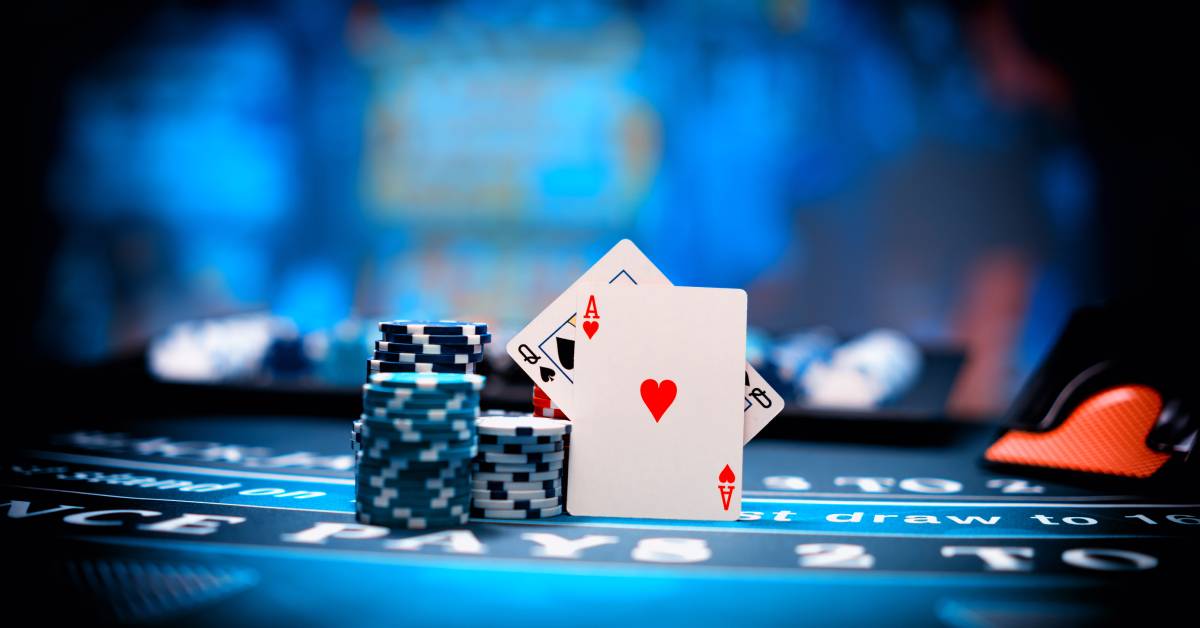
The biggest mistake I’ve watched people make is treating gambling like a strategy for solving money problems. In my experience, the players who enjoyed themselves most were rarely the ones chasing losses. They were the ones who came in with a fixed budget, played for an hour or two, and left whether they were ahead or behind. I remember a guest one spring who sat at a blackjack table with a calm attitude and a set cash envelope. He told me he had already decided that once the envelope was empty, he was done for the night. He ended up leaving slightly down, but smiling, because the evening had gone exactly as planned.
I’ve also found that many people underestimate how much the environment affects their decisions. Casino floors are built to keep your attention. Lights, sounds, constant movement, and the lack of natural stopping points all wear down judgment over time. Early in my career, I watched a regular slot player turn a modest win into a long losing session simply because she kept saying she wanted “one more bonus round.” That phrase still sticks with me, because I’ve heard versions of it hundreds of times. The problem is rarely one bad bet. It is the slow drift away from your original limit.
If you are new to casinos, table games usually reveal more about a person’s habits than the machines do. Blackjack players tend to think they can recover with one smart run. Roulette players often fall in love with patterns that do not actually exist. Poker players, especially beginners, confuse patience with passivity and aggression with skill. I’ve had countless conversations with guests who believed they were “due” because red had not shown up in several spins, or because a machine had gone quiet for an hour. I always advise against that thinking. Random outcomes do not owe anyone a correction.
One of the best habits I’ve seen is taking breaks before you feel you need one. A player I got to know over several visits used to step away every forty-five minutes, no matter what was happening. He would get water, check the time, and ask himself whether he was still making decisions he actually liked. That routine kept him disciplined, and frankly, it kept the casino from pulling him deeper than he intended.
My professional opinion is simple: casinos are best treated as paid entertainment. If you walk in expecting excitement, social energy, and the possibility of a win, you will usually make better choices. If you walk in expecting a financial breakthrough, the house has already gained an advantage before the first bet is placed.